Fixed Rate Tariffs UK: How to Lock Energy Prices & Save
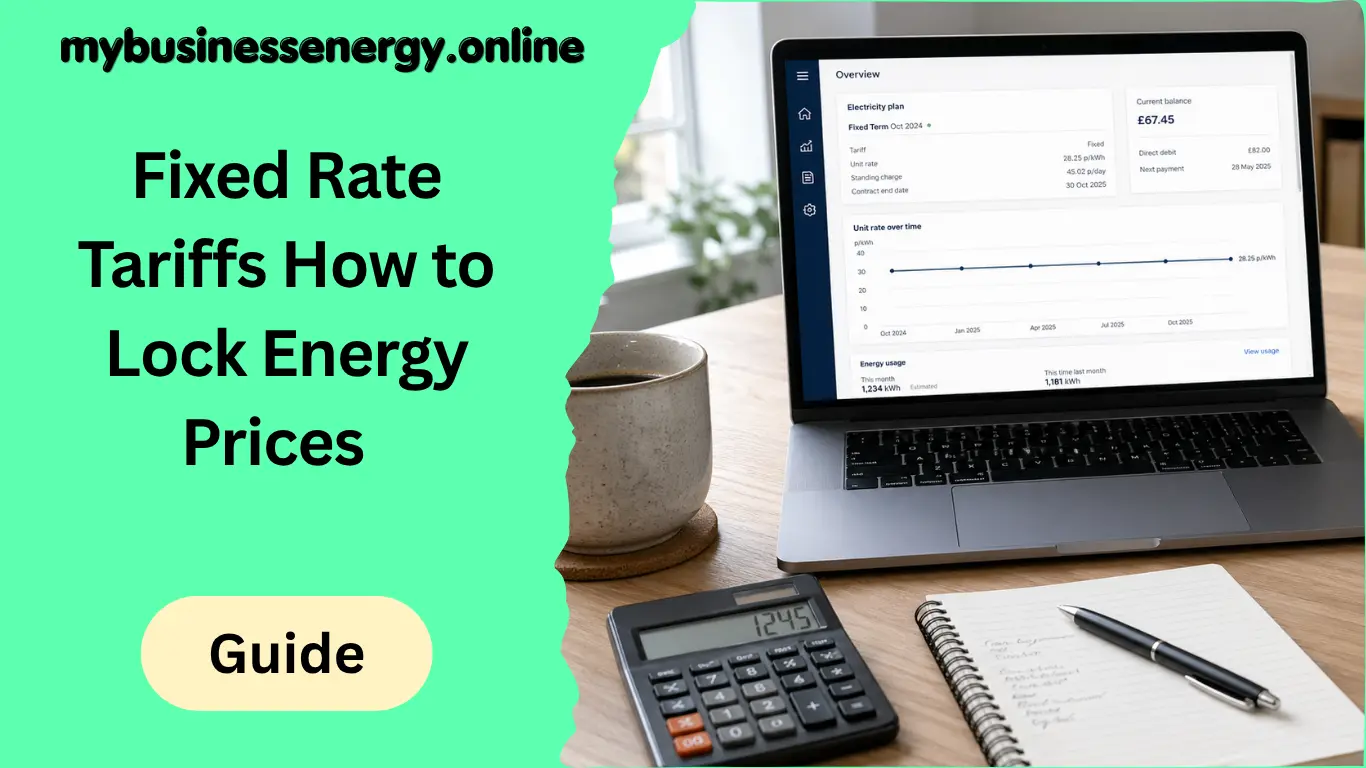
A fixed rate tariff lets you lock your gas and electricity unit rates for a set period, usually 12 to 24 months. This protects you from unexpected energy price rises and makes it easier to budget. However, your total bill can still change depending on how much energy you use.
In this guide, you’ll learn how fixed rate tariffs work, their pros and cons, and how to choose the best fixed energy deal in the UK.
Table of Contents
What Are Fixed Rate Tariffs?
A fixed rate tariff is an energy deal where the price you pay for each unit of gas or electricity stays exactly the same for a set period. This means your rates will not change, even if the wholesale cost of energy increases across the country.
However, it is important to understand what is actually fixed. Your total monthly bill can still go up or down based on how much energy you use. If you leave the heating on all winter, your bill will be higher. The fixed part simply means the cost per unit of energy remains constant.
With price stability, you know exactly what you will pay for the energy you use. You eliminate the fear of unexpected price spikes.
How Fixed Tariffs Work in the UK
When you sign up for fixed price energy deals in the UK, your supplier locks in two main charges.
- First, they fix how much you pay per unit of energy used. This is measured in kilowatt-hours (kWh).
- Second, they fix your standing charge. This is the fixed monthly fee you pay just to have your home connected to the energy grid.
Examples of When a Fixed Rate Tariff May Be a Good Choice
A fixed rate tariff can suit different households depending on their energy needs. Here are some common examples:
- Small family: A family with predictable energy use may prefer fixed electricity rates to keep monthly bills stable and easier to budget.
- Large household: Homes with higher energy consumption can benefit from protection against future price increases.
- Low energy user: If you use less energy, compare the standing charge as well as the unit rate to make sure you’re getting good value.
- EV owner: If you charge an electric vehicle at home, compare fixed tariffs with EV-specific tariffs to see which offers the best overall savings.
- Economy 7 customer: If you use most of your electricity during off-peak hours, check whether a fixed Economy 7 tariff provides competitive day and night rates.
Fixed Tariff vs Variable Tariff
When choosing an energy plan, you’ll typically come across two main options: fixed rate tariffs and variable rate tariffs. Each has its advantages, and the right choice for you will depend on your preferences for price stability, flexibility, and the level of risk you’re willing to take. In this section, we’ll compare the two to help you make an informed decision.
Aspect | Fixed Tariff | Variable Tariff |
Price Stability | Prices remain the same for the duration of the contract. | Prices can change based on market fluctuations. |
Contract Length | Typically 12 to 24 months. | No fixed contract length; you can switch at any time. |
Best For | Those who prefer predictability and budgeting. | Those who want flexibility and are willing to risk price hikes. |
Renewal Option | You can choose to renew, but the rates may change at renewal. | No renewal – you stay on the current tariff until you switch. |
Is a Fixed Rate Tariff Worth It?
A fixed rate tariff is worth it if you want predictable energy bills and protection from future price increases. It can be a good choice for households that prefer stable monthly costs. However, if energy prices fall during your contract, you may miss out on lower rates available on new tariffs.
Should You Fix Your Energy Prices?
You should consider fixing your energy prices if you value price certainty and expect energy costs to rise. Before switching, compare the tariff’s unit rates, standing charges, contract length, and exit fees. If a fixed deal offers good value compared with current variable tariffs, locking in your rates may help you manage your budget more effectively.
How Do Fixed Tariffs Compare With the Ofgem Price Cap?
The Ofgem price cap applies mainly to standard variable tariffs, not most fixed-rate contracts. A fixed tariff keeps your agreed unit rates unchanged throughout the contract, while a variable tariff can change whenever the price cap is updated. As a result, a fixed tariff may be cheaper or more expensive than a standard variable tariff, depending on market conditions when you sign up.
What Should You Compare Before Choosing a Fixed Tariff?
Before choosing a fixed tariff, compare:
- Unit rate (pence per kWh)
- Standing charge
- Contract length
- Early exit fees
- Payment method
- Customer service
- Renewable energy options (if important to you)
Comparing these features helps you choose the best tariff for your household rather than focusing only on the estimated annual cost.
Advantages of Fixed Rate Tariffs
There are several compelling reasons to choose a long-term energy contract.
- Financial stability: You always know the exact rate you are paying.
- Easier budgeting: Consistent unit rates make it easier to plan your monthly expenses.
- Protection from price hikes: If UK energy tariffs rise, your rates stay firmly locked in place.
Disadvantages of Fixed Rate Tariffs
Before you sign on the dotted line, you should consider a few potential downsides.
- Exit fees: Many suppliers charge a penalty fee if you leave your contract early.
- Missing out on price drops: If energy prices fall significantly, you remain stuck paying your higher fixed rate.
- Temporary security: Your price lock only lasts for the length of the contract, usually one or two years.
Can You Leave a Fixed Tariff Early?
Yes. Most suppliers allow you to leave a Best fixed tariff in the UK before the contract ends, but many charge an early exit fee. Some suppliers waive these fees if you switch during the final weeks of your contract, so always check your tariff terms before changing suppliers.
Tips to Save Money on a Fixed Rate Tariff
Choosing your household energy plan does not have to be stressful. By understanding how fixed rate energy tariff for UK households work, you can confidently navigate the UK energy market.
Locking in your unit rates provides ultimate peace of mind. It protects your budget from sudden market spikes and makes managing your monthly expenses incredibly simple.
Take five minutes today to grab your latest energy bill. Check when your current contract ends and run a quick online comparison. A few minutes of research could save you hundreds of pounds over the next year.
Conclusion
A best fixed tariff in the uk offers price stability and makes it easier to manage your energy budget by locking your unit rates for a fixed period. Before switching, compare unit rates, standing charges, contract length, and exit fees to find the best deal. Choosing the right tariff can help you better control your energy costs and avoid unexpected price rises.
Compare fixed energy tariffs before your current contract ends to find the best value for your home.
FAQs
Choosing between a fixed rate and a variable rate tariff can be confusing, especially with the many options available. Here are some common questions to help clarify the differences and guide your decision-making process.
Q1. How do I know which tariff is best for me?
If you prefer price stability and are not concerned about locking into a contract, a fixed rate tariff is ideal. If you want flexibility and are okay with potential price changes, a variable rate tariff may suit your needs better.
Q2. Can my fixed rate tariff price change during the contract?
No, your price remains locked in for the duration of the fixed rate tariff contract. However, if you renew the contract, the rate may change.
Q3. Are there exit fees for fixed rate tariffs?
Many fixed rate tariffs charge exit fees if you leave the contract before the end of the agreed term. Variable tariffs typically don’t have exit fees.
Q4. Can I switch from a fixed rate tariff to a variable tariff?
Yes, you can switch from a fixed tariff to a variable tariff, but be aware of any exit fees or penalties if you leave the fixed-rate contract early.
Q5. How long do fixed rate contracts last?
Fixed rate contracts typically last between 12 to 24 months. After the contract ends, you may be moved to a standard variable tariff, or you can renew your fixed electricity rate or switch to another plan.