Smart Meters: How They Work, Benefits, Safety and Accuracy
You might be familiar with smart meters, but what exactly are they, and why are they important to you? Most people struggle to understand the quantification of their electricity usage, which frequently results in unclear electricity bills. Digital Electricity Meters, however, are disturbing the flow of this condition by providing homes and offices a transparent and more accurate understanding of their electricity usage as it happens.
In this article, we will cover all the basics about Digital Electricity Meters: explaining what they are, how they function, and whether a smart meter would suit your needs.
Table of Contents
What is a Smart Meter?
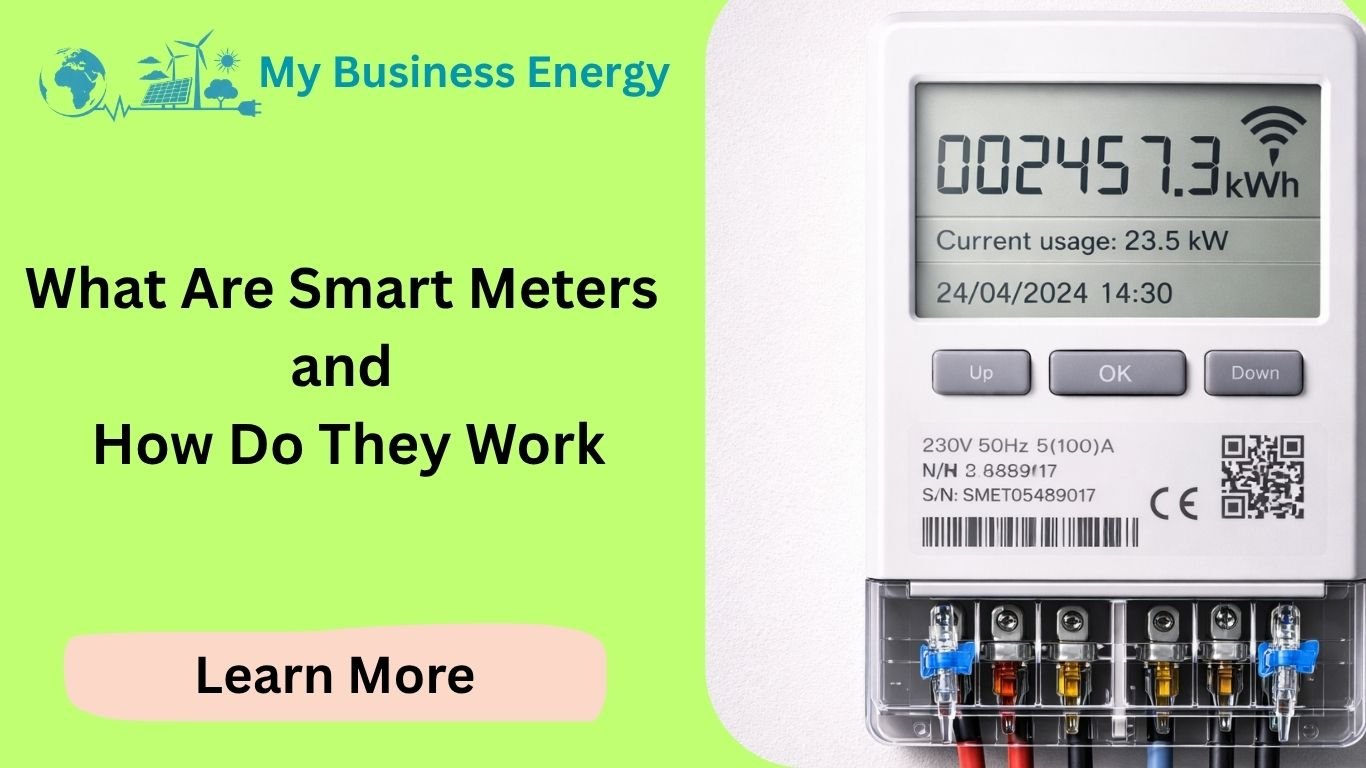
A smart meter is a digital device that measures your electricity usage. Digital Electricity Meters automatically and wirelessly send data directly to your energy supplier, whereas older meters only record the amount of energy you have used over a specific period.
Think of it like this: a traditional meter is like a paper receipt you hand in once a month. A smart meter is like a live bank statement you can check any time.
Most Digital Electricity Meters come with an in-home display (IHD), a small screen that shows your energy usage in real time. You can see your energy use, its cost, and how it compares to past days or weeks.
How Smart Meters Work
Smart meters communicate electricity usage data to your electricity company using wireless technology. Here is an easy explanation of how it works:
- Measurement: The meter keeps track of the volume of electricity used by your house and business. The meter typically takes readings at 30-minute intervals.
- Transmission: The data is transmitted wirelessly to your electricity provider through a secure network called the Data Communications Company (DCC) in the UK or similar infrastructure in other countries.
- Display: The usage statistics are displayed on your electronic devices at home and in your business so you can keep track of your power consumption nearly in real time.
- Billing: Your utility company relies on the information to give accurate bills – no more guesswork.
The whole process happens automatically. You don’t need to do anything once the meter is installed.
How to Read a Smart Meter
Digital Electricity Meters are designed to be easy to read. Most in-home displays will show you:
- Current usage: How much energy you are using right now, displayed in kilowatts (kW, a unit of power) and cost per hour.
- Today’s usage: Total energy used so far today, shown in kilowatt-hours (kWh) and pounds .
- Historical data:Usage broken down by day, week, or month for comparison.
If you need the actual meter reading (for example, when switching suppliers), you can access it directly on the meter itself. The display will cycle through different screens—look for the one labelled “IMP” or “IMPORT” for your electricity reading. Gas meters typically display the reading in cubic meters (m³).
Your in-home display should come with a simple guide, and most energy suppliers also have online tutorials to help.
Main Features of Digital Electricity Meters
Smart meters come with features that older meters simply do not have:
- Automatic meter readings: You will not have to read your meter yourself anymore or get bills by calculation.
- Real-time usage data: You can check how much electricity you are using at the moment.
- In-home display: A portable screen that shows your electricity consumption and cost in plain language.
- Time-of-use tracking: Some Digital Electricity Meters not only measure the amount of electricity you consume but also tell the time of your usage, allowing you to have access to cheaper tariffs during off-peak hours.
- Two-way communication: Your supplier can send signals to your meter remotely, for instance, changing the tariff, using the reading done at the time of the move as your final one, etc.
- Tamper detection: In addition to these benefits, smart meters help with the overall security of the electricity supply. They identify and deal with unusual use—the type that could be the result of meter tampering or faults—by alerting the supplier to potential issues and ensuring accurate billing for consumers.
Benefits of Smart Meters for Homes and Businesses
Smart meters give real benefits to home and commercial energy consumers alike.
For Homeowners
- Accurate billing: You are charged for your real consumption only, not a calculation.
- Better energy awareness: Since you are able to monitor your electricity usage at once, it is easy to identify and stop dangerous methods such as leaving lights on when not in use or overusing heating and cooling systems. Becoming more aware of electricity usage often causes a decrease in usage for many homes.
For Businesses
- Detailed usage data: Businesses can identify which equipment, departments, or shifts are driving up electricity costs.
- Sustainability reporting: accurately measured consumption is a crucial tool that can assist in capturing carbon emissions data and reporting on it effectively.
- Cost savings: Along with highly reliable data, it is possible to work out the best way to schedule electricity-consuming activities and save not only money but also improve the overall consumption of electricity, leading to enhanced operational efficiency and reduced environmental impact.
Common Problems with Smart Meters
Smart meters are reliable, but a few issues do come up from time to time:
- Loss of smart functionality: If you switch energy suppliers, your meter may temporarily revert to “dumb” mode and stop sending automatic readings. Newer second-generation (SMETS2) meters largely resolve this issue.
- Signal issues: In rural areas or buildings with thick walls, the wireless signal between the meter and the network can be weak.
- In-home display problems: The IHD may occasionally lose its connection to the meter, though such issues don’t usually affect the meter itself.
- Privacy concerns: Some people are uncomfortable with their energy provider having detailed usage data. Reviewing your supplier’s data policy can help you understand how they use and store your information.
Your energy supplier can quickly resolve most of these minor issues.
Smart Meters vs Traditional Meters
Here’s a quick comparison to show the key differences:
Feature | Smart Meter | Traditional Meter |
Readings | Automatic | Manual |
Billing accuracy | High | Can be estimated |
Real-time data | Yes | No |
Remote access | Yes | No |
Time-of-use tracking | Yes | Limited |
Traditional meters are not broken, they still do their job. But Digital Electricity Meters give you far more control and visibility over your energy use.
Are Smart Meters Accurate?
Typically, Digital Electricity Meters are highly reliable in their accuracy. They pass detailed testing based on the standards set for the industry and are required to be certified prior to being installed. Usually, these meters are even more accurate than traditional ones because they remove the chance of human error in manual readings.
That said, like any technology, they are not perfect. Sometimes, the following factors can influence accuracy:
- Communication issues: If the meter loses connection to the network, readings may be delayed.
- Software glitches: Rare, but software errors can sometimes affect readings.
- Faulty installation: A poorly installed meter may not record correctly.
If you think that your smart meter is displaying inaccurate data, please contact your energy provider. They have the capability to carry out a remote test of the device or arrange for an engineer to visit your premises to check the meter.
Are Digital Electricity Meters Safe to Use?
Yes, smart meters are safe. They use low-level radio waves to communicate—similar to Wi-Fi or a mobile phone—and emit far below the levels considered harmful by health authorities.
- Public Health England (and equivalent bodies in other countries) has reviewed the evidence and found no reason for concern. The radio signals used are intermittent and very brief, so overall exposure is extremely low.
- If you have a pacemaker or other medical device and want extra reassurance, speak to your doctor. But for the vast majority of people, Digital Electricity Meters pose no health risk.
Who Should Install a Smart Meter?
Smart meters are suitable for almost everyone, but they are especially useful if you:
- Want more control over your energy bills
- Are trying to reduce your carbon footprint
- Run a business and need accurate energy data
- Have an electric vehicle or solar panels and want to track generation and consumption
- Are frequently receiving estimated bills from your current meter
Your energy supplier offers free Digital Electricity Meters installation in many countries as part of a national rollout. If you are eligible, you should make the switch.
The Future of Digital Electricity Meters Technology
Smart meters are already transforming the way we use energy—but the technology is still evolving.
The upcoming versions of Digital Electricity Meters will have a closer connection with devices like smart systems, small appliances and shopping malls, such as solar panels. With an increasing number of households accepting smart technology, electricity networks will be capable of managing the ebb and flow of electricity more effectively, thus reducing wastage and resulting in lower expenses for all.
Time-of-use tariffs will likely be a standard offering and will reward customers who change their electricity usage patterns to off-peak times. When paired with a home battery, this can significantly cut energy costs for technology-active households.
On a national scale, Digital Electricity Meters are a vital component of the basic system needed for the transition to a green electricity system. The data they produce enables grid operators to forecast demand, incorporate renewable electricity sources, and prevent power outages.
Final Thoughts
Smart meters, although they appear like a minor update, are really capable of making a large impact. These benefits, such as accurate billing, getting instant updates on electricity, and making use of facts for deciding your power consumption levels, are not to be taken lightly. All of these, in fact, are excellent ideas in helping you save costs as well as decrease unnecessary usage.
In case you have not changed yet, get in touch with the electricity provider to check if you qualify for a free Digital Electricity Meters installation. This is likely one of the easiest ways to achieve higher energy efficiency, whether at home or in business usage.
If You Learn About Business Electricity Guide Please Visit Our Website.
Frequently Asked Questions
Here are answers to the most common questions to help you understand how they work, their benefits, and how they can save energy and money.
Q1:Do I have to pay for a smart meter?
In most countries, Digital Electricity Meters installation is free of charge. Your energy supplier covers the cost as part of a government-backed rollout.
Q2:Can I refuse a Digital Electricity Meters?
Yes. In most places, smart meter installation is not mandatory. You can choose to keep your traditional meter if you prefer.
Q3:Will a smart meter work if I switch energy suppliers?
Second-generation (SMETS2) Digital Electricity Meters are designed to work across different suppliers. If you have an older SMETS1 meter, you may temporarily lose some smart features when switching, though this is usually restored over time.
Q4:Does a Digital Electricity Meters increase my energy bill?
No. A smart meter doesn’t change your energy tariff or increase your usage. In fact, most households see their bills stay the same or decrease because they become more aware of their consumption.
Q5:What happens if my smart meter stops working?
Contact your energy supplier. They can often diagnose and fix issues remotely. If a replacement is needed, they will arrange for a technician to visit.
Q6:Can a Digital Electricity Meters be hacked?
Digital Electricity Meters use encrypted communication and are subject to strict cybersecurity regulations. The risk of hacking is very low, but it’s still worth reviewing your supplier’s data privacy policy for peace of mind.