Types of UK Electricity Meters: Complete Guide for Users
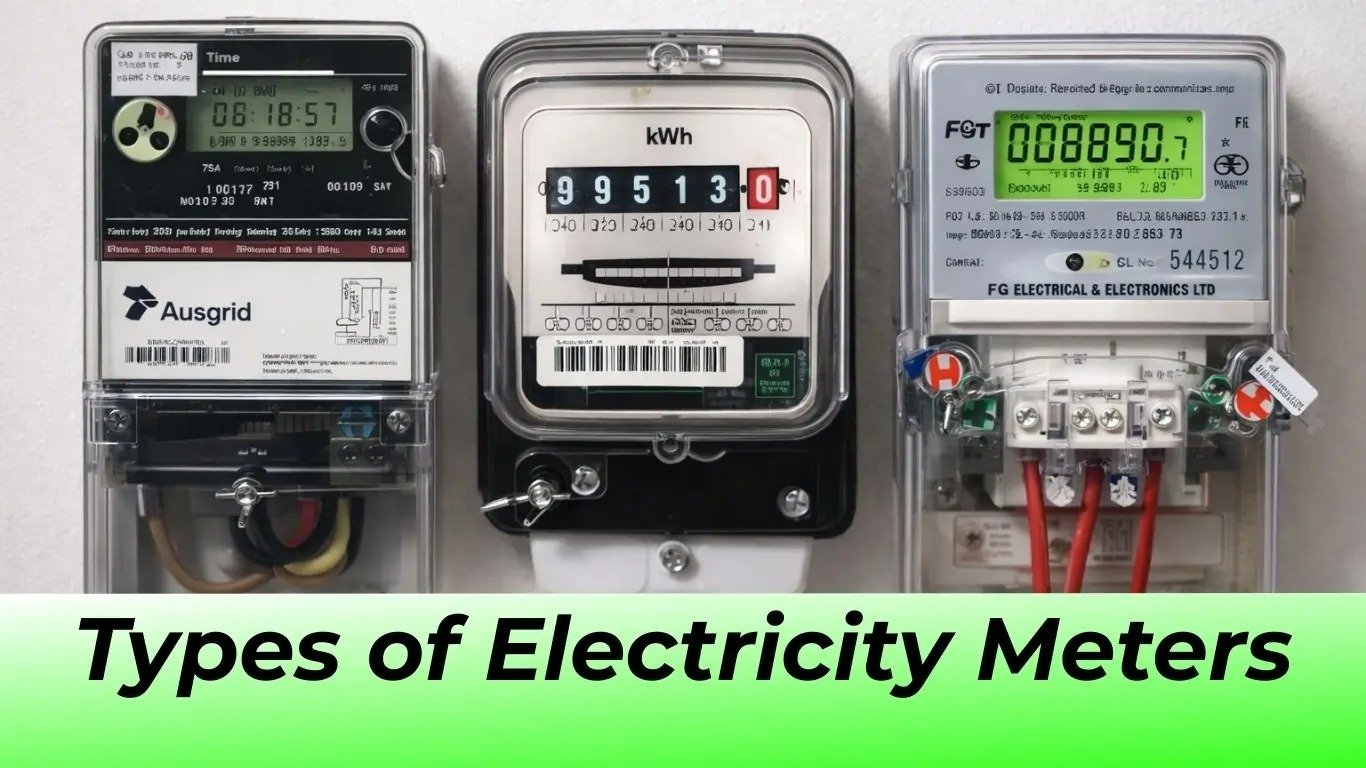
In the UK, the main types of electricity meters include standard credit meters, smart meters, prepayment meters, Economy 7 meters, Economy 10 meters, three-phase meters, half-hourly meters, and time-of-use meters. The right meter for your home or business depends on your energy tariff, supplier, billing method, off-peak usage, and electricity needs.
This guide explains how each UK electricity meter works, how to identify your meter, and when you may need to contact your energy supplier. You will also learn what terms such as MPAN, Economy 7, RTS meter, smart meter, and half-hourly meter mean.
Table of Contents
Standard Meter
Standard meters are the main type of electricity meters . They measure the total electricity usage but do not show usage at different times of the day. Usually, a person reads these meters, and consumers receive bills showing the total amount of electricity used. Standard meters are simple to operate.
However, they may not provide the same level of convenience or the possibility to decrease the price that other meter types, such as smart or economy meters, are able of.
Pros:
- Simple and easy to use.
- There is no need for complex settings or adjustments.
- Suitable for customers with consistent electricity use.
Cons:
- Does not provide time-of-use pricing, which may result in higher bills.
- Requires manual readings, which can be unfavorable.
- There is no option to have customized billing or savings based on electricity usage patterns.
Smart Meter
In the UK, smart meter are installed by energy suppliers as part of the national smart meter rollout. A smart meter automatically sends electricity readings to your supplier, which can reduce estimated bills and help you track your usage more clearly. Many smart meters also come with an in-home display, so you can see how much energy you are using in near real time.
Pros:
- Accurate automatic readings
- Real-time usage tracking.
- Expected cost savings with time-of-day pricing.
Cons:
- Some smart meters may lose smart features if there are signal or connectivity issues.
- The in-home display may not always show updated cost information correctly.
- Some older smart meters may need supplier support when switching supplier.
Prepayment Meter
Prepayment meter give customers the option to pay for their electricity before they actually use it by adding funds to a smart card, key, or online account.
These meters require that users only consume electricity they have already paid for, effectively removing the risk of receiving a higher bill at the end of the month.
Usually, they are the choice of people who like to plan their electricity expenses and stay away from debt. Prepayment meters can be recharged in local shops, post offices, or via the Internet.
Pros:
- Allows users to help their budget by paying for electricity in advance.
- Avoids debt and surprise bills..
- Provides more control over electricity usage.
Cons:
- usually higher price per unit of electricity.
- Difficult as they require regular top-ups..
- No flexibility in payment methods once the electricity is used up.
Economy 7/10 Meter
In the UK, an Economy 7 meter usually records electricity at two different rates: a day rate and a cheaper night rate. This type of meter is common in homes with electric heating, storage heaters, or appliances that can run overnight. If your electricity bill shows two readings or two unit rates, you may have an Economy 7 or another multi-rate meter.
Pros:
- lower priced electricity during off-peak periods.
- It is possible to save money if electricity usage is low along with low-cost periods.
- Best for homes with electric heating or overnight appliances.
Cons:
- Requires careful planning to take full advantage of off-peak times.
- More expensive rates during peak hours.
- May not suit households with irregular electricity usage
Three-Phase Meter
Three-phase meter are designed for properties that are large in electricity consumption ,like industrial or commercial areas. While standard single-phase meters, three-phase meters can measure electricity consumption across three different electrical phases, allowing for a more balanced and efficient power distribution . These meters are perfect for businesses that operate heavy machinery or need large power supply, since they can handle higher loads and offer more stable electricity flow.
However, they might not provide the same level of advantage or the potential cost savings that other meter types, such as smart or economy meters, are able of.
Pros:
- can handle high electricity use, perfect for businesses or large properties.
- Give a more stable power supply, reducing the risk of overload.
- Efficiently manages heavy machinery and equipment.
Cons:
- Not required for average household use.
- Installation and maintenance can be more expensive.
- Need specialized equipment, which may not be needed in smaller setups.
Half-Hourly Meter
In the UK, half-hourly meter are mainly used by businesses and larger electricity users. These meters record electricity consumption every 30 minutes, giving suppliers and businesses more accurate usage data. This can help with demand-based billing, energy management, and choosing a better business electricity tariff.
Pros:
- Give detailed usage data,which is ideal for commercial properties with high or variable electricity usage.
- Supports electricity consumption more effectively, reducing costs.
- Enables accurate demand-based billing.
Cons:
- Usually it is a feature for businesses instead of homes.
- may have a higher initial cost for installation and maintenance.
- Requires proper management to ensure the meter data is used effectively.
7. Time of Use Meter
A Time-of-Use meter tracks electricity usage and charges different rates depending on when electricity is used. The day is usually divided into peak, off-peak, and sometimes shoulder periods. This type of meter can help households or businesses save money if they can move more electricity use to cheaper off-peak times.
Pros:
- Lower electricity rates during off-peak hours.
- Encourages electricity use during periods of lower demand, helping reduce grid strain.
- Potential cost savings for those who can shift usage to off-peak times.
Cons:
- Higher rates during peak hours.
- Requires users to adjust their habits to fully benefit.
- May not be ideal for homes with inconsistent electricity usage.
What Is an RTS Meter in the UK?
An RTS meter, also called a Radio Teleswitch Service meter, is an older type of electricity meter used in some UK homes. It is often linked with electric heating, storage heaters, hot water systems, or off-peak tariffs like Economy 7.
If you have an RTS meter, contact your energy supplier and ask about a suitable replacement. Your supplier can confirm whether your meter needs changing and whether a smart meter is suitable for your property.
How to Check Which Electricity Meter You Have in the UK
You can usually identify your electricity meter by checking your meter display, electricity bill, and tariff details. A standard meter normally has one reading. An Economy 7 or multi-rate meter may show two readings, usually for day and night usage. A smart meter often has a digital screen and may connect to an in-home display.
Your electricity bill may also show your MPAN, which stands for Meter Point Administration Number. This is a unique electricity supply number used in the UK. If you are unsure which meter you have, your energy supplier can use your MPAN and account details to confirm your meter type.
MPAN is a real UK electricity supply identifier; UK Power Networks describes it as a unique 13-digit number identifying electricity supply points across the UK
How to Choose the Right Meter for You
Choosing a suitable electricity meter depends on your electricity needs and lifestyle
Standard Meters: They are simple and common for homes with regular electricity use, providing a simple billing system. perfect for users who do not require usage times adaptability.
Smart Meters: Automatically track and send data to suppliers for accurate billing and real-time usage updates. Great for users who want to monitor their usage and save on costs.
Prepayment Meters: Requires payment straightforwardly helping users manage their electricity budget. Perfect for those who want to avoid debt and favor paying as they go.
Economy 7/10 Meters: Offer cheaper rates during off-peak hours, making them useful for homes with storage heaters, electric heating, or appliances that can run overnight.Proper for electric heating or night-time appliance use.
Multi-rate Meters: Charge different rates depending on the time of day, helping those who can adjust usage to benefit from cheaper periods. Ideal for users with varying electricity needs throughout the day.
Three-Phase Meters: Used for high electricity users, such as in businesses or large properties. They handle multiple power supplies to support heavy machinery and equipment.
Half-Hourly Meters: These meters record electricity usage in 30-minute intervals, providing accurate billing for users with higher or changing electricity usage. Ideal for those who want more detailed data to manage usage and take advantage of off-peak rates.
Time of Use Meters: changing cost rates based on the time of day, inspiring electricity use during cheaper off-peak periods. These meters are ideal for individuals who have the flexibility to shift their electricity consumption to more cost-effective hours.
Conclusion
Choosing a suitable electricity meter is an essential step if you want to keep your electricity usage under control and save money on your bills. You can choose between a standard meter, a smart meter, or an economy 7 meter. Each type of meter offers certain advantages by way of catering to your electricity needs.
One of the main features of smart meters is that they provide very accurate readings as well as the data in real time. On the other hand, economy meters are a good fit for those who use most of their electricity at night.
Choose the meter that will work best for your lifestyle, and you will be able to manage your electricity use and therefore avoid estimated bills. If unsure, consult your supplier to find the best option.
For more detailed guides and the latest updates, explore our Energy Guide.
FAQS
Here are some frequently asked questions to help you understand the different types of electricity meters and how to choose the best one for your needs.
Q1: What type of electricity meter do I have in the UK?
Check your meter display and electricity bill. One reading usually means a standard meter, while two readings may mean an Economy 7 or multi-rate meter. If you are unsure, contact your energy supplier.
Q2: What is an MPAN number?
An MPAN is a unique electricity supply number used in the UK. You can usually find it on your electricity bill. Your supplier can use it to check your electricity supply and meter details.
Q3:What is an RTS electricity meter?
An RTS meter is an older Radio Teleswitch Service meter. It is often used with electric heating, storage heaters, or off-peak tariffs. If you have one, ask your supplier about a replacement.
Q4: Is Economy 7 the same as a smart meter?
No. Economy 7 is a tariff or meter setup with day and night rates. A smart meter is a modern meter that can send readings automatically. Some smart meters can support Economy 7 tariffs.
Q5:What should I do if I am not sure which electricity meter is best for me?
If you are unsure about which meter to choose, it is best to consult with your electricity supplier. They can help you understand your usage patterns and recommend the most suitable meter for your needs, whether it is a standard, smart or time-of-use meter.